Push Ups For The ADF/Police
Although push ups are no longer a requirement for Navy & Air Force pre-entry fitness assessments (see know your fitness standards), they are still something that EVERYONE should be working on.
Being able to perform a good amount of push ups indicates a good amount of upper body strength and muscular endurance which is critical to have as a tactical athlete.
Navy and Air Force no longer require you to be able to perform a push up before you enlist but this does not mean you are not required to do them once you are enlisted.
If you are able to create a solid baseline of upper body strength and muscular endurance which is displayed by the amount of push ups you can perform then you will not only be able to pass your fitness tests at basic training but you will find that this additional upper body strength will help with a multitude of tasks including obstacle courses, hand-hand combat, fire and movement, body drags and even holding a rifle at your shoulder.
Below is an in-depth video about how to conduct a technically efficient push up to the standards of the Australian Defence Force
Training For Push Ups
It's very clear that a lot of people just don't have the knowledge about what needs to be trained to improve push ups. So here's some basic info to help steer you in the right direction. Once you can do 60+ reps in a row than the approach/methods start to change.
Exercise Selection
To improve your push up strength you need to improve your upper body strength specific to the "push" movement pattern which is essentially any movement that involves you pushing something away from your body using your upper body. A strong back and core are also very important elements to help with this movement indirectly.
When creating your workout choose 1-2 compound main lifts that train the push pattern.
Example exercises:
▪️Push Up Variations
▪️Bench Press Variations
▪️Dip Variations
▪️Shoulder Press Variations
Frequency
The best place to start is to include 2-3 push up focused strength workouts per week.
Volume/Intensity
The reason you cannot do a push up/struggle with them right now is because you lack the STRENGTH not endurance. So to build strength you MUST lift heavy things to stimulate the nervous system and muscles correctly. Strength work in circuit form like F45 and CrossFit metcons etc WILL NOT build your strength.
Instead use simple sets and reps that you build the weight each time you repeat the workout. Start by performing 3-5 sets of 5 reps each set with a 2-3 minute (yes a 2-3min!) rest between sets. You can do other things during your rest that won't interfere such as exercises for you back, legs or even light cardio.
You don't need to go to failure each set but you need to push the limits so that you are only leaving 1-2 reps left in the tank each set. The long rests should allow you to use the same weight across all sets.
Accessory Work
After your main lifts choose a couple of exercises working the same muscles and perform some higher rep sets. Don't go crazy if you a hitting 3 sessions per week.
Example exercises:
▪️Regressed Push Up Variations
▪️Lighter weights on push pattern variations
▪️Pec Fly Variations
▪️Tricep Extension Variations
▪️Front Delt Raises
Progression
Repeat the workouts for 4-6 weeks with the focus to build the weight and BE AWARE this will not "feel" like you do after you complete an endurance circuit like F45. You will not feel completely exhausted because it is not training your energy systems, it is training your STRENGTH which feels a lot different.
If you consistently target and progress the correct movement pattern with proper strength training and include extra upper back and core training I can 100% guarantee you will improve quickly.
🚀 Bonus
If you're just starting out and struggling to do a single push-up on the ground, this recorded workshop video is exactly what you need. It’s designed to help you achieve your first push-up, with no equipment required, and you can do it anywhere. Check it out below.
Pre-entry Fitness Targets
Over my 16 year career in the full-time Army I never even knew what the pass mark was for my age and gender. This was because I knew I could pass and the only thing I was focused on was how many I could do!
This is the attitude I want all of you to take on. Always strive to be better!
My official highest push up score was 105 reps in 2 minutes (below is a video of 91) but I have seen many people do a lot more.
You don't have to be the best as long as you continue to improve and don't settle for good enough. Continue to push your limits and find out what you are capable of.
Here are some suggested targets that will have you sitting in a better position than 90% of other recruits and will set you up for success for active service fitness testing.
🎯 2min Push up Test (Army)
Males = 50+
Females = 30+
🎯 Cadence Push Up Test (Navy/Air Force/SF)
Males = 35+
Females = 20+
Special Forces = 60+
7 Day Beginner Push Up Program
To help you get started I would like to gift you a 7 day beginner push up program that you can download for free. These workouts can be repeated for 4-6 weeks with the goal to progress the workouts as much as possible.
Learn more about push up training here:
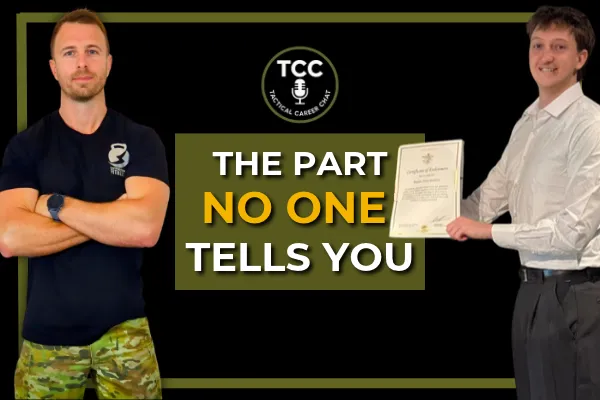
Army Reserve: What Happens Between Enlistment and Kapooka?
Joining the Army Reserve: What Happens Between Enlistment and Kapooka?
If you're joining the Australian Army Reserves, you might be surprised to learn that enlisting doesn't necessarily mean you'll be heading straight off to Kapooka.
Unlike the full-time Army pathway, there's often a period between enlistment and recruit training where you'll attend parade nights, complete administration, undergo fitness assessments and prepare for your initial military training.
It's a part of the process that doesn't get talked about much, and it can leave new recruits wondering what they're supposed to be doing.
In a recent Tactical Career Chat, I spoke with Maddox, a 23-year-old who recently enlisted in the Army Reserve as an infantry soldier. We discussed his experience navigating this stage, including his first parade night, the Regional Induction Company (RIC), fitness requirements and the training pathways ahead.
Here's what future Army reservists can learn from his experience.
Watch the interview with Maddox, or continue reading for the key information and practical advice.
What Happens After You Enlist in the Army Reserve?
For Maddox, the application process took around 12 months, largely due to additional medical assessments relating to his asthma.
After eventually passing his medical assessments, he attended his enlistment ceremony, took his oath and officially became a member of the Australian Army Reserve.
But unlike someone joining the full-time Army, he wasn't jumping straight on a bus to Kapooka.
Instead, he was introduced to a representative from his local Army Reserve unit, who explained what would happen next and invited him to attend his first parade night that same evening.
From there, he began working through the requirements needed before attending recruit training.
This is an important distinction for anyone considering the Reserves. Enlisting is the beginning of your military career, but there's still preparation and training to complete before you're ready to perform your role.
What Is the Army Reserve Regional Induction Company (RIC)?
One of the biggest things Maddox discovered after enlisting was the Regional Induction Company, commonly referred to as the RIC.
He'd heard of it before joining but didn't really understand what it involved.
The RIC, as Maddox describes it, is responsible for looking after new Army Reserve recruits and helping them complete the requirements associated with preparing for Kapooka and progressing through their initial training pathway.
What Do You Do in the RIC Before Kapooka?
During his time in the RIC, Maddox explained that recruits work through several requirements, including:
Completing administration and obtaining military identification.
Working through theory modules.
Completing physical fitness assessments.
Nominating for Kapooka and other required training courses.
Attending scheduled parade nights at their unit.
It's not necessarily what people picture when they think about joining the Army, but these are important steps in getting recruits ready for their next stage of training.
One thing Maddox highlighted was that you don't always have someone organising everything for you. Course nominations and administration can require some follow-up on your behalf.
So if you're going through this process, make sure you understand what's required of you, who your point of contact is and what you need to complete before your next course.
How Does the RIC Work for Regional Reservists?
Maddox also explained that the experience can differ depending on where you're located.
For him, being based in a regional area meant attending his local Army Reserve unit while receiving instructions and administration support from the RIC remotely.
This involved emails, phone calls and a group chat with other new recruits.
He described it as sometimes being a little confusing because you're dealing with your local unit and the RIC at the same time.
In larger centres, Maddox understood that recruits may attend dedicated induction units rather than immediately joining the unit they'll eventually be posted to.
The main takeaway here is that your experience might look a little different depending on your location and unit.
Don't assume that someone else's exact pathway will be identical to yours.
What to Expect on Your First Army Reserve Parade Night
One of my favourite parts of the interview was Maddox describing his first night at his Army Reserve unit.
He'd received instructions about what to wear, what to bring and how to enter the base, but that didn't stop the nerves.
As he described it:
"Heart was pumping. You're sitting outside this Army base, you're on the intercom saying these things. You don't know where to park, you don't know how to act, and no one came out and got me."
He eventually wandered into the building, introduced himself and explained that it was his first night.
From there, the unit welcomed him, introduced him to the other soldiers and explained what would be happening.
I think this is something plenty of applicants can relate to.
You've spent months going through the application process, you're finally enlisted, and now you're walking into an Army unit where everyone seems to know exactly what they're doing.
Meanwhile, you're just trying to work out where you're supposed to stand!
The important thing to remember is that you're new. You're not expected to know everything on your first night.
What Should You Wear and Bring?
For his first parade night, Maddox was instructed to bring:
A green T-shirt and appropriate civilian clothing.
A notebook and pens.
PT gear in case physical training was scheduled.
He also received instructions about accessing the base and who he needed to report to.
These were the requirements given to Maddox, so make sure you follow the specific instructions provided by your own unit.
If you're unsure about something, contact your unit representative beforehand.
What Can You Actually Do Before Kapooka?
Another thing Maddox wasn't expecting was how limited his involvement would be before completing his initial military training.
He explained that, because he hadn't completed the necessary military qualifications, there were many activities he couldn't actively participate in.
Instead, he spent time observing soldiers completing training activities, weapons handling and equipment inspections.
On one occasion, he spent around two hours watching a gear inspection.
Not exactly the exciting infantry experience he had pictured!
However, being around serving soldiers still gave him an opportunity to become familiar with the military environment, meet people at his unit and start understanding how things operate.
That exposure can be useful before heading off to Kapooka, even if you aren't actively participating in all the training.
How Do Army Reservists Prepare for Kapooka?
During the period between enlistment and Kapooka, there's more to do than simply attending parade nights.
Maddox explained how he worked through administrative requirements, course nominations and fitness testing to prepare for recruit training.
What Is the Army Reserve Gateway Weekend?
One experience Maddox found particularly useful was attending a Gateway Weekend at Holsworthy.
He explained that the weekend gave him an opportunity to complete several requirements in a short period rather than working through them over multiple parade nights.
During the weekend, he was able to complete administration, obtain his military identification, work through theory modules and organise course nominations.
For him, it was an opportunity to make significant progress towards being ready for Kapooka.
He also enjoyed being on a larger military base, interacting with full-time soldiers and experiencing more of Army life.
It's worth asking your unit or RIC representative what opportunities are available to help you complete your pre-Kapooka requirements.
Do You Need to Pass Another Fitness Test Before Kapooka?
Something that stood out during our conversation was the importance of maintaining your fitness after enlistment.
Maddox explained that he was completing regular practice Physical Fitness Assessments (PFAs) during parade nights and was required to demonstrate that he could meet the standard before attending Kapooka.
He also discussed being required to complete another assessment closer to his course date.
This is something I regularly reinforce with ADF applicants.
Passing your initial fitness assessment isn't the finish line.
It's simply demonstrating that you meet an entry-level standard.
Once you're enlisted, you still need to maintain your fitness and continue preparing for the demands ahead.
This is particularly important for Army reservists because, unlike many full-time soldiers, you won't necessarily have structured physical training built into your working day.
Much of your physical preparation will remain your responsibility.
If you've already passed your PFA, that's great. But don't use it as an excuse to stop training.
Keep building your running fitness, strength and conditioning so you're better prepared for recruit training and the physical demands of your role.
For more on this, read Why Passing the ADF Pre-Entry Fitness Assessment Isn't Enough.
What Happens After Kapooka for Army Reservists?
Although this article focuses on what happens before Kapooka, it's also worth understanding what comes afterwards.
A point Maddox raised was that completing Kapooka doesn't necessarily mean you've finished your initial military training or become fully qualified in your chosen role.
For Army Reserve infantry soldiers, he described additional courses and training modules that need to be completed as part of the qualification pathway.
IMT, IET and Infantry Training Explained
There are two main terms worth understanding.
Initial Military Training (IMT) is where you develop the basic skills required to become a soldier. This includes the foundational military skills taught during recruit training at Kapooka.
Initial Employment Training (IET) is the training specific to the role you've enlisted for.
For Maddox, who enlisted in infantry, this means completing additional training to develop the skills required for his role.
He explained that the Reserve pathway can involve several separate courses, including additional training modules after Kapooka and further combat-related training.
The time required to complete these courses can depend on availability, course scheduling and how much time you can commit.
Maddox's goal was to work through his training pathway within approximately a year, although he recognised that it could take longer.
The main lesson is to understand the full training pathway for your chosen role rather than assuming everything is completed once you graduate from Kapooka.
Can Army Reservists Complete Full-Time Training Courses?
One of the more interesting things Maddox discovered was that there may be opportunities for eligible Army reservists to complete full-time military training courses.
He learnt about this option during his Gateway Weekend.
Rather than completing some of the training through separate Reserve modules, eligible members may have opportunities to attend longer full-time courses.
Maddox was particularly interested in this pathway because it could allow him to complete more training in one continuous period.
Of course, availability, eligibility and personal circumstances will influence which pathway is suitable.
If you're considering joining the Army Reserve and have some flexibility with your work or personal commitments, it's worth asking about the different training options available.
Practical Advice for New Army Reserve Recruits
Looking back over Maddox's experience, there are a few things I'd encourage future Army reservists to keep in mind.
1. Don't expect to know everything when you first arrive. You're new, and there's a lot to learn. Ask questions and make sure you understand what's expected of you.
2. Stay on top of your administration. Find out what you need to complete, who your point of contact is and what courses you need to nominate for.
3. Understand your full training pathway. Kapooka is just one part of becoming a qualified soldier. Make sure you know what training comes afterwards.
4. Keep training after you've passed your fitness assessment. The minimum entry standard isn't necessarily the standard you need to comfortably handle the physical demands of military training.
5. Be patient with the process. Course availability, administration and personal commitments can all influence how quickly you progress.
One thing that came through clearly during the interview was that Maddox was happy with his decision to join, even though the process had taken longer and involved more administration than he initially understood.
Getting to spend time around serving soldiers and experience the military environment had only made him more motivated to continue.
Frequently Asked Questions About Army Reserve Enlistment
Do Army reservists go straight to Kapooka after enlistment?
Not necessarily. Maddox's experience involved attending parade nights, completing administrative requirements, working through the RIC and passing fitness assessments before attending Kapooka.
What is the RIC in the Army Reserve?
The Regional Induction Company (RIC), as described in Maddox's interview, coordinates and supports new Army Reserve recruits as they work through requirements associated with their initial military training. The name and arrangements may vary or change.
How long can you wait before going to Kapooka in the Army Reserve?
Maddox understood that recruits were generally expected to attend Kapooka within six months of enlistment, with extensions potentially available in some circumstances. This reflects his experience and should be confirmed with your unit, as requirements may change.
Do Army reservists need to pass another PFA before Kapooka?
Maddox explained that he completed practice fitness assessments during parade nights and needed to demonstrate he could meet the required standard before attending Kapooka.
Can Army reservists complete full-time Kapooka training?
Maddox discussed learning about opportunities for eligible Army reservists to complete full-time training courses. These options may depend on eligibility, course availability and individual circumstances.
Watch More Tactical Career Chat
If you're thinking about joining the ADF I recommend checking out more of our tactical career chats on YouTube.
Watch more Tactical Career Chat's on YouTube
Get Physically Prepared for the ADF
Whether you're preparing for your initial fitness assessment, waiting to attend Kapooka or working towards your next stage of military training, the goal shouldn't be to just scrape through the minimum standards.
You want to build the fitness needed to handle the demands of training and service.
That's exactly what our Fit For Service training plan is designed to help you achieve, with structured running, strength and conditioning matched to your current fitness level and ongoing coaching to help you progress.
Find Out More About Fit For Service
Train hard but train smart.
Note: This article is based on one Army Reserve recruit's personal experience. Training pathways, administration processes, medical requirements and course availability can vary. Always confirm current requirements with the Australian Defence Force.


© OUTPERFORM FITNESS All Rights Reserved 2020