Push Ups For The ADF/Police
Although push ups are no longer a requirement for Navy & Air Force pre-entry fitness assessments (see know your fitness standards), they are still something that EVERYONE should be working on.
Being able to perform a good amount of push ups indicates a good amount of upper body strength and muscular endurance which is critical to have as a tactical athlete.
Navy and Air Force no longer require you to be able to perform a push up before you enlist but this does not mean you are not required to do them once you are enlisted.
If you are able to create a solid baseline of upper body strength and muscular endurance which is displayed by the amount of push ups you can perform then you will not only be able to pass your fitness tests at basic training but you will find that this additional upper body strength will help with a multitude of tasks including obstacle courses, hand-hand combat, fire and movement, body drags and even holding a rifle at your shoulder.
Below is an in-depth video about how to conduct a technically efficient push up to the standards of the Australian Defence Force
Training For Push Ups
It's very clear that a lot of people just don't have the knowledge about what needs to be trained to improve push ups. So here's some basic info to help steer you in the right direction. Once you can do 60+ reps in a row than the approach/methods start to change.
Exercise Selection
To improve your push up strength you need to improve your upper body strength specific to the "push" movement pattern which is essentially any movement that involves you pushing something away from your body using your upper body. A strong back and core are also very important elements to help with this movement indirectly.
When creating your workout choose 1-2 compound main lifts that train the push pattern.
Example exercises:
▪️Push Up Variations
▪️Bench Press Variations
▪️Dip Variations
▪️Shoulder Press Variations
Frequency
The best place to start is to include 2-3 push up focused strength workouts per week.
Volume/Intensity
The reason you cannot do a push up/struggle with them right now is because you lack the STRENGTH not endurance. So to build strength you MUST lift heavy things to stimulate the nervous system and muscles correctly. Strength work in circuit form like F45 and CrossFit metcons etc WILL NOT build your strength.
Instead use simple sets and reps that you build the weight each time you repeat the workout. Start by performing 3-5 sets of 5 reps each set with a 2-3 minute (yes a 2-3min!) rest between sets. You can do other things during your rest that won't interfere such as exercises for you back, legs or even light cardio.
You don't need to go to failure each set but you need to push the limits so that you are only leaving 1-2 reps left in the tank each set. The long rests should allow you to use the same weight across all sets.
Accessory Work
After your main lifts choose a couple of exercises working the same muscles and perform some higher rep sets. Don't go crazy if you a hitting 3 sessions per week.
Example exercises:
▪️Regressed Push Up Variations
▪️Lighter weights on push pattern variations
▪️Pec Fly Variations
▪️Tricep Extension Variations
▪️Front Delt Raises
Progression
Repeat the workouts for 4-6 weeks with the focus to build the weight and BE AWARE this will not "feel" like you do after you complete an endurance circuit like F45. You will not feel completely exhausted because it is not training your energy systems, it is training your STRENGTH which feels a lot different.
If you consistently target and progress the correct movement pattern with proper strength training and include extra upper back and core training I can 100% guarantee you will improve quickly.
🚀 Bonus
If you're just starting out and struggling to do a single push-up on the ground, this recorded workshop video is exactly what you need. It’s designed to help you achieve your first push-up, with no equipment required, and you can do it anywhere. Check it out below.
Pre-entry Fitness Targets
Over my 16 year career in the full-time Army I never even knew what the pass mark was for my age and gender. This was because I knew I could pass and the only thing I was focused on was how many I could do!
This is the attitude I want all of you to take on. Always strive to be better!
My official highest push up score was 105 reps in 2 minutes (below is a video of 91) but I have seen many people do a lot more.
You don't have to be the best as long as you continue to improve and don't settle for good enough. Continue to push your limits and find out what you are capable of.
Here are some suggested targets that will have you sitting in a better position than 90% of other recruits and will set you up for success for active service fitness testing.
🎯 2min Push up Test (Army)
Males = 50+
Females = 30+
🎯 Cadence Push Up Test (Navy/Air Force/SF)
Males = 35+
Females = 20+
Special Forces = 60+
7 Day Beginner Push Up Program
To help you get started I would like to gift you a 7 day beginner push up program that you can download for free. These workouts can be repeated for 4-6 weeks with the goal to progress the workouts as much as possible.
Learn more about push up training here:
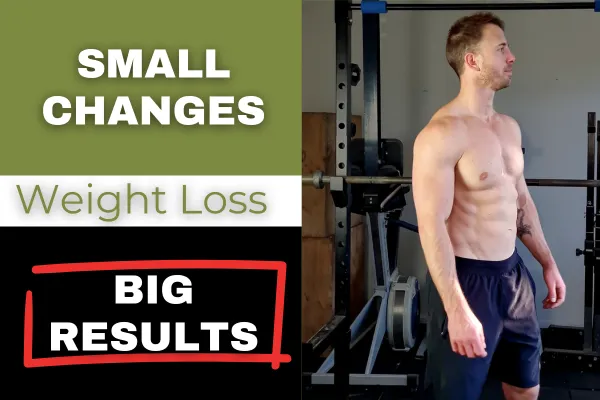
Small Changes, Big Results: The Ultimate Weight Loss Strategy
When it comes to weight loss, there’s one key element that often separates success from failure: consistency. Without consistency, even the best diet or workout plan won’t deliver the results you’re after. The good news? You don’t need a complicated strategy to achieve your weight loss goals—just a simple, sustainable approach.
In this blog post, I’ll break down a step-by-step plan to help you assess where you are, make small lifestyle changes, and start seeing results. This isn’t about a quick fix—it’s about creating habits that last a lifetime.
Step 1: Assess Where You Are
The first step in any weight loss journey is understanding your starting point. This means gathering data about your current habits and routines. Here’s how to do it:
Track Your Activity Levels
Monitor your daily steps using a fitness tracker or smartphone app. Are your steps too low? If so, this is a clear area for improvement.
Check your workout compliance. Are you consistently completing your planned workouts? Use a workout tracker or a simple notebook to measure your adherence.
Journal Your Food Intake
Keep a detailed food journal for 7–14 days. Record everything you eat and drink to get a clear picture of your calorie and protein intake. Apps like MyFitnessPal can make this process easier.
Look for patterns: Are certain meals high in calories? Are you skipping protein at breakfast? Identify areas where you can make improvements.
Weigh Yourself Daily
Weigh yourself every day and track the data. This helps you identify trends rather than focusing on one-off fluctuations caused by water retention or other factors.
Step 2: Analyse the Data
Once you’ve gathered your data, it’s time to analyse it. Here are some key questions to ask yourself:
Are you losing weight? If yes, keep doing what you’re doing. If not, something needs to change.
Are your calories too high? Review your food journal to identify meals or snacks that may be contributing to excess calorie intake.
Is your protein intake adequate? Aim for 30–40 grams of protein at meals to support muscle maintenance and satiety.
Is your activity level sufficient? If your daily steps or workout compliance are low, make these your first focus areas.
Step 3: Make Weekly Focus Areas
The key to sustainable weight loss is making small, incremental changes. Rather than overhauling your entire lifestyle overnight, focus on improving one area at a time. Here are two focus areas to start with:
1. Increase Daily Activity
Daily movement, or non-exercise activity thermogenesis (NEAT), plays a huge role in burning calories. Try these strategies:
Add a 30–40 minute walk to your day. It’s low-impact and easy to stick with.
Take the stairs, park 5-10min farther away to walk the remaining, or bike to work to naturally increase your steps/activity.
Use a weighted vest to make shorter walks more intense.
2. Optimise Nutrition
Your food journal will highlight areas for improvement. Start with these tips:
Focus on one meal at a time. Identify a calorie-heavy meal (e.g., lunch) and find lower-calorie swaps.
Increase protein intake. Add high-protein foods like eggs, lean meats, or protein shakes to meals, especially breakfast.
Reduce liquid calories. Switch sugary drinks, full-cream coffees, and alcohol for lower-calorie alternatives like black coffee or water.
Step 4: Build Consistency and Adjust as Needed
Consistency is the foundation of long-term weight loss success. It’s better to stick to 100% effort on small changes than to give 70% to an overcomplicated plan. As you build habits, the process will feel easier, and the results will follow.
Track Progress: Regularly check your weight, steps, and compliance. If you’re not seeing results, review your data and make adjustments.
Be Patient: The changes you make may not show immediate results, but over weeks and months, they will add up.
Step 5: Maintain Results with Lifestyle Tweaks
Reaching your weight loss goal is only part of the journey. Maintenance becomes easier if you’ve built sustainable habits along the way. Here’s how to keep the weight off:
Stay active: Keep up with your daily walks and workouts.
Balance your nutrition: Avoid slipping back into old habits by continuing to track your food occasionally and prioritising protein.
Focus on lean mass: Maintaining or building muscle keeps your metabolism high, allowing you to eat more while staying lean.
Conclusion: Start Your Journey Today
Weight loss doesn’t have to feel overwhelming. By assessing your habits, making small changes, and staying consistent, you’ll create a sustainable lifestyle that supports your goals. Remember, it’s not about perfection—it’s about progress.
If you’re ready to take your fitness to the next level, check out my Battle Ready Online Training Program, designed for past, present, and future tactical professionals and fitness enthusiasts. This program will help you build the strength, endurance, and mindset needed to tackle any challenge.
👉 Learn more and get started today
Check out the full training talk here:


© OUTPERFORM FITNESS All Rights Reserved 2020